
Synthetic and heterocyclic chemistry
Organic methodology, scaffold construction and functionalisation.
Explore synthetic chemistry →Baxendale Group · Department of Chemistry · Durham University
Building on an international record in organic synthesis, route design, process chemistry, continuous flow and automation, the Baxendale Group is shaping the next phase of technology-enabled molecule and process development.
Research programme updateProgramme update
Following a period focused primarily on teaching and education, the group is developing the next phase of its research programme.
Discussions are welcomed with academic and industrial collaborators, fellowship candidates and prospective researchers who have identified a credible external funding route.
Research expertise
Deep synthetic insight is combined with process understanding, reaction engineering and automation to solve difficult molecule-making problems.
Organic methodology, scaffold construction and functionalisation.
Explore synthetic chemistry →Route selection, optimisation, safety and scale translation.
Explore process chemistry →Continuous processing, multiphase reactions and reactor systems.
Explore flow engineering →Automated experimentation, sampling and analytical integration.
Explore automation →Selected contributions
Explore the group’s research record through scientific themes, graphical abstracts and searchable publications.
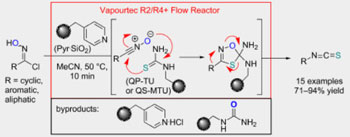
Research record
Publications are now searchable by title, author, journal, year, DOI and abstract, with graphical abstracts, journal covers and locally available PDFs.
Contributions and publications
Move from broad research themes to individual publication records.
Capabilities
Explore route design, process development, reaction engineering, automation and analytics through a problem-led directory.
Explore capabilitiesFuture programme
The next programme will be developed around strong scientific questions and practical value.
Demonstrated through previous research and publications.
Scientifically grounded areas intended for the next phase.
Joint proposals, fellowships and substantive industrial challenges.
People and network
Explore programme leadership, historic appointments, visiting researchers, institutions and collaboration history.
Explore the network →Work with the group
Academic and industrial partners
Discuss a defined scientific or technical challenge through the non-confidential collaboration gateway.
Discuss a research ideaProspective researchers
There are no group-funded vacancies. Enquiries are welcomed from candidates with an identified external funding route.
Read the application guidance